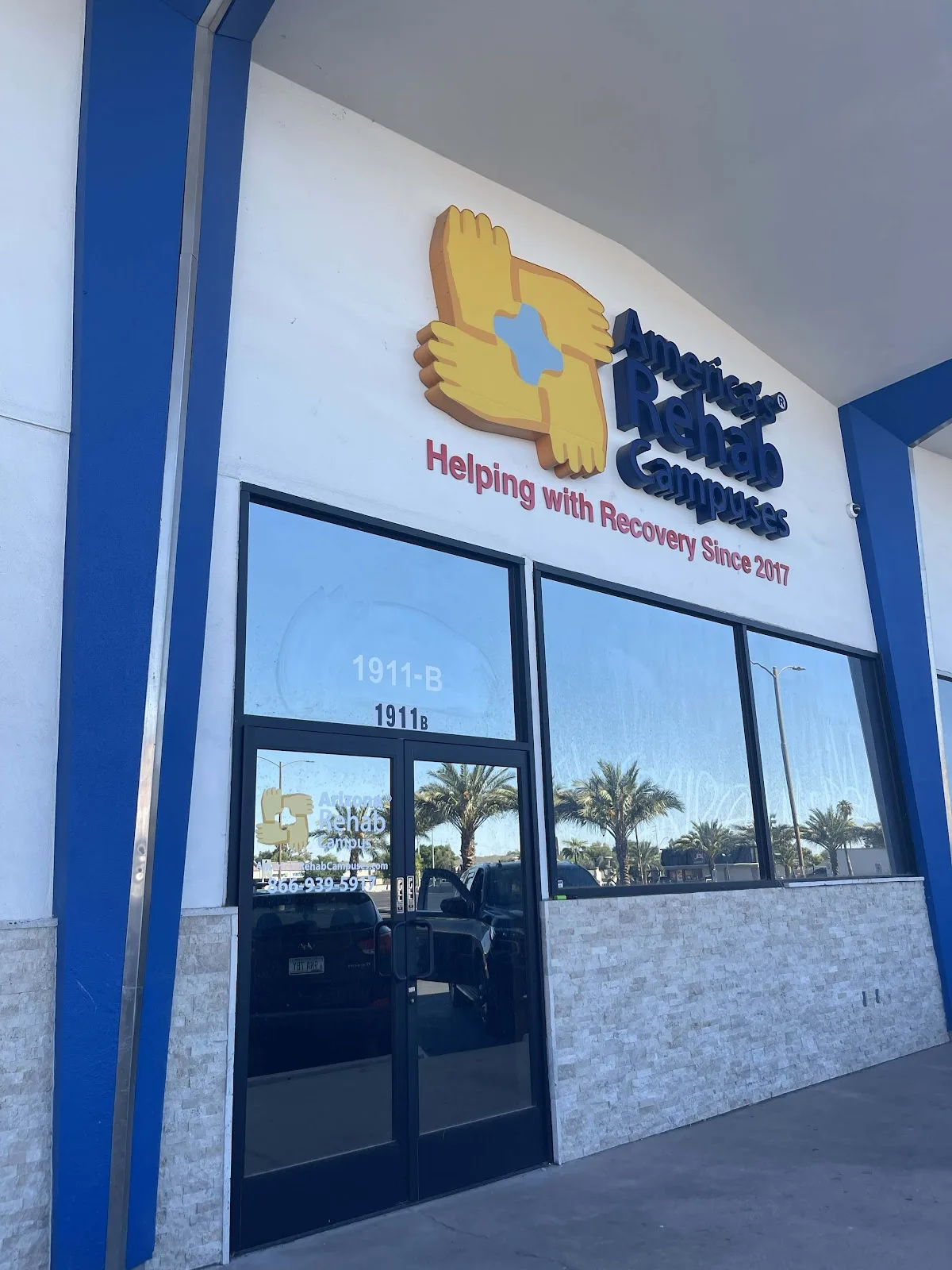
Medication-Assisted Treatment (MAT) is a highly effective approach to treating substance use disorders that combines the use of medications with counseling and behavioral therapies. This holistic approach aims to support individuals on their journey to recovery, addressing both the physical and psychological aspects of addiction. In Phoenix, AZ, there are various MAT options available that provide hope and healing for those struggling with opioid use disorders and other substance-related issues.
What is Medication-Assisted Treatment (MAT)?
Medication-Assisted Treatment (MAT) is designed to help individuals overcome addiction by utilizing medications that reduce cravings and withdrawal symptoms, thereby allowing patients to focus on their recovery. This integrated approach not only includes medication but also emphasizes the importance of counseling and support services, creating a comprehensive treatment plan tailored to each individual's needs.
Medications Used in MAT
Several medications are commonly used in MAT, each serving a specific purpose in the recovery process. The following are the primary medications utilized:
- Suboxone (Buprenorphine): This medication is a partial opioid agonist, which means it activates opioid receptors in the brain while limiting the euphoric effects. Suboxone helps to alleviate withdrawal symptoms and cravings, making it easier for individuals to engage in therapy and other recovery activities.
- Methadone: Methadone is a long-acting opioid agonist that helps to stabilize individuals by minimizing withdrawal symptoms and cravings. It is administered in a controlled setting, typically through specialized clinics, and is often used for those with severe opioid dependence.
- Naltrexone (Vivitrol): Naltrexone is an opioid antagonist, which means it blocks the effects of opioids in the brain. It can be administered as a daily pill or a monthly injection (Vivitrol) and is particularly beneficial for individuals who have already detoxed from opioids and are looking to prevent relapse.
How MAT Works with Counseling
While medications play a crucial role in MAT, counseling and behavioral therapies are equally important components of the treatment process. These therapies help individuals to:
- Understand the underlying issues contributing to their addiction.
- Develop coping strategies to manage triggers and cravings.
- Build a support network that fosters accountability and encouragement.
- Enhance life skills that promote a healthier lifestyle and prevent relapse.
By combining medication with counseling, MAT addresses both the physical dependence on substances and the emotional and psychological aspects of addiction, leading to a more successful recovery experience.
Finding MAT Providers in Phoenix
In Phoenix, individuals seeking MAT can find numerous providers offering comprehensive services. These may include:
- Substance use disorder treatment centers
- Community health clinics
- Private practices specializing in addiction medicine
- Hospital outpatient programs
To find MAT providers, individuals can start by consulting their primary care physician, searching online directories, or contacting local mental health and substance abuse organizations.
Insurance Coverage for MAT
Many insurance plans cover MAT, recognizing it as an evidence-based treatment option for substance use disorders. Coverage may vary based on the insurance provider and the specific treatment plan. It is essential for individuals to verify their benefits, inquire about coverage for both medication and counseling services, and understand any associated costs, such as copays or deductibles.
Addressing Stigma Around MAT
Despite the proven effectiveness of MAT, stigma still surrounds its use. Many individuals may feel shame or judgment for seeking medication as part of their recovery. It is vital to address this stigma by fostering open conversations about the realities of addiction and the role of MAT in recovery. Understanding that addiction is a chronic disease can help to normalize the use of medications in treatment and encourage individuals to seek the help they need.
Success Rates of MAT
Research has shown that MAT significantly improves outcomes for individuals with substance use disorders. Studies indicate that:
- Individuals receiving MAT are more likely to remain in treatment compared to those who do not.
- MAT reduces the risk of overdose and improves overall health outcomes.
- Patients on MAT experience lower rates of relapse and improved social functioning.
These success rates highlight the importance of integrating MAT into recovery plans and underscore the potential for individuals to reclaim their lives.
Who Benefits Most from MAT?
MAT is particularly beneficial for individuals struggling with opioid use disorders, but it can also support those dealing with alcohol use disorders and other substance-related issues. Those who may benefit most from MAT include:
- Individuals with a history of relapse after previous treatment attempts.
- Those with severe cravings or withdrawal symptoms that make traditional abstinence-based treatment difficult.
- People who have co-occurring mental health disorders.
- Individuals seeking a more comprehensive approach that combines medication and counseling.
Ultimately, MAT offers a pathway to recovery that respects each person's unique journey, providing the necessary tools and support for sustainable healing and growth.
Sober Network is a directory, not an intake form. Explore local facilities and contact providers directly.