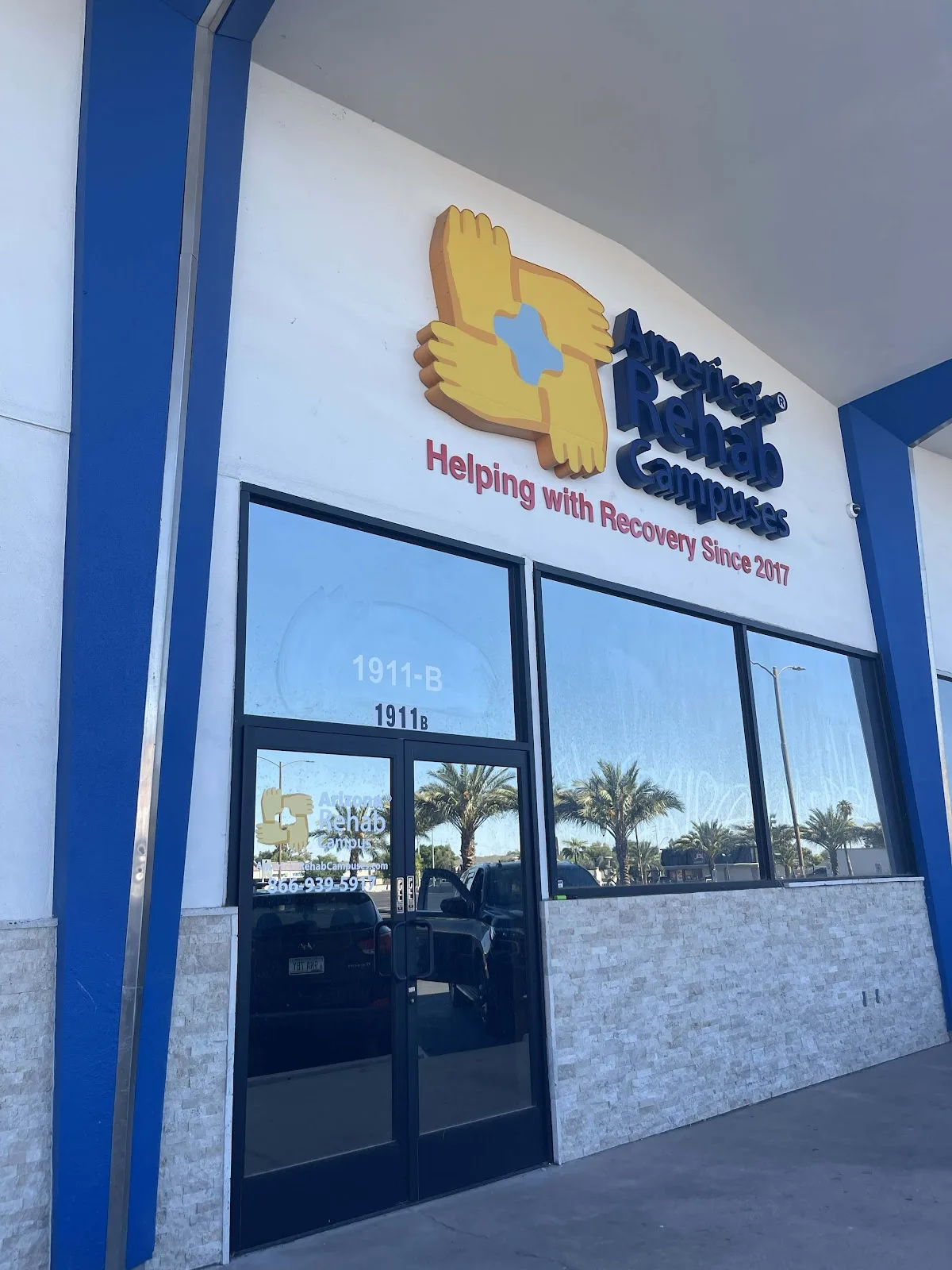
Navigating insurance coverage for addiction treatment can be overwhelming, especially in a complex landscape like Phoenix, AZ. This guide aims to simplify the process and provide actionable steps for accessing the care you need. Understanding your rights under the Mental Health Parity Act, the types of coverage available, and what to do if you encounter obstacles will empower you on your recovery journey.
The Mental Health Parity Act: What You Need to Know
The Mental Health Parity and Addiction Equity Act (MHPAEA) mandates that insurance plans provide equal coverage for mental health and substance use disorder treatment as they do for other medical conditions. This means:
- Equal Treatment Limits: Insurers cannot impose stricter limits on substance use disorder treatment than on other medical services.
- Coverage for Various Levels of Care: Treatment options, including inpatient and outpatient services, must be covered comparably to other medical treatments.
- Access to Services: Insurers must ensure that members have access to a sufficient network of providers.
Medicaid and Medicare Coverage for Substance Use Treatment in Arizona
In Arizona, both Medicaid (AHCCCS) and Medicare offer coverage for substance use treatment, making it easier for many individuals to access care.
Medicaid (AHCCCS)
- Eligibility: Generally, individuals with low income, pregnant women, and those with disabilities qualify for Medicaid in Arizona.
- Coverage: AHCCCS covers a range of services, including inpatient treatment, outpatient therapy, and medication-assisted treatment.
- Accessing Services: You can apply for Medicaid through the Arizona Health Care Cost Containment System (AHCCCS) online or in-person.
메디케어
- Eligibility: Individuals aged 65 and older or those with certain disabilities can apply for Medicare.
- Coverage: Medicare covers inpatient rehabilitation, outpatient therapies, and counseling for substance abuse disorders.
- Finding Providers: Use the Medicare website to locate approved treatment facilities in your area.
How to Verify Your Benefits
Before seeking treatment, it’s crucial to verify your insurance benefits to understand what is covered:
- 보험사에 문의하십시오: Call the customer service number on your insurance card and ask about your coverage for addiction treatment.
- Request Written Confirmation: Always ask for a written explanation of your benefits for future reference.
- Check for In-Network Providers: Inquire about which facilities and providers are in-network to minimize your out-of-pocket expenses.
In-Network vs. Out-of-Network Treatment
Understanding the difference between in-network and out-of-network treatment is vital:
- In-Network: Providers that have a contract with your insurance company, typically leading to lower costs.
- Out-of-Network: Providers without a contract with your insurer, which may result in higher copays or total denial of coverage.
Prior Authorization Requirements
Some insurance plans require prior authorization before you can receive treatment. Here’s how to handle it:
- Understand Your Plan: Check if your insurance requires prior authorization for specific services.
- Coordinate with Your Provider: Your treatment provider can often assist in obtaining necessary approvals.
- 후속 조치: Ensure that the authorization is approved before starting treatment to avoid unexpected costs.
If Insurance Denies Coverage
Unfortunately, coverage denials can happen. Here’s what to do:
- 거절 편지를 검토하세요: Understand the reason for the denial to address it effectively.
- 보험사에 문의하십시오: Call your insurance provider to discuss the denial and seek clarification.
- Document Everything: Keep records of all communications with your insurer.
Appealing Denials
If you believe the denial was unjustified, you have the right to appeal:
- 호소 편지를 작성하세요: Clearly state your case, providing supporting documents and evidence of medical necessity.
- 후속 조치: Contact your insurer to confirm they received your appeal and inquire about the timeline for a decision.
- Seek Help: Organizations like the Patient Advocate Foundation can assist with the appeals process.
State-Funded Treatment Options for Uninsured Patients in Phoenix
If you are uninsured, Arizona offers state-funded options:
- Substance Abuse Treatment Programs: The Arizona Department of Health Services provides access to various treatment services.
- Community Health Centers: Many offer sliding scale fees based on income for those without insurance.
- Supportive Services: Look for local non-profits that may provide financial assistance for treatment.
Sliding Scale Payment Programs
Many treatment facilities offer sliding scale payment options based on income:
- Inquire at Facilities: Ask treatment providers directly if they have sliding scale options.
- Provide Financial Documentation: Be prepared to share income information to qualify for reduced rates.
- Explore Community Resources: Local organizations may provide additional support for treatment costs.
By understanding your rights and available resources, you can effectively navigate the insurance landscape for addiction treatment in Phoenix, AZ. Remember, taking the first step towards recovery is a significant achievement, and you deserve the support necessary to succeed.
More Recovery Resources in Phoenix
Sober Network is a directory, not an intake form. Explore local facilities and contact providers directly.