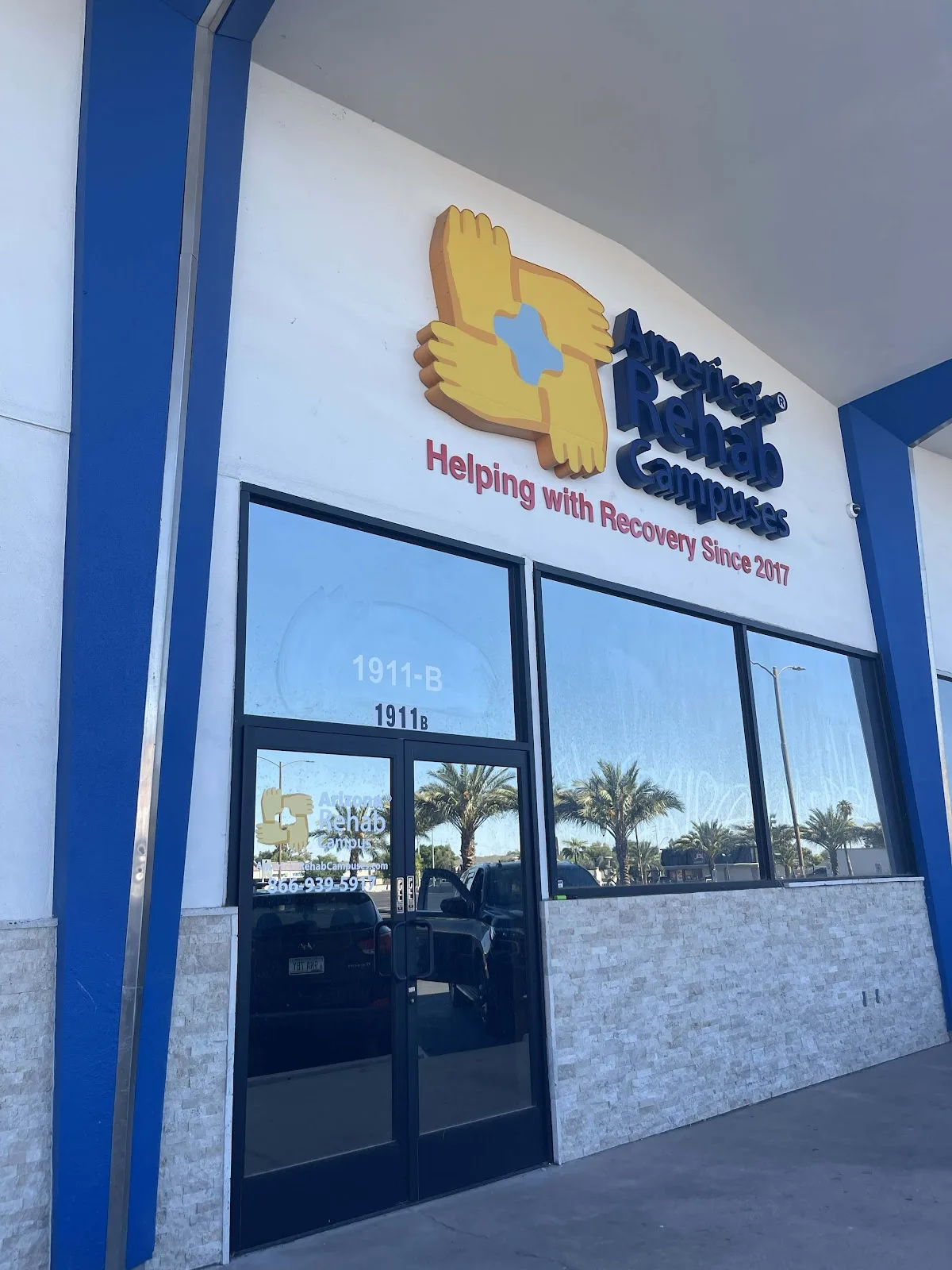
Undergoing medical detox is a crucial first step in the journey towards recovery from addiction. If you or a loved one is considering detox in Phoenix, AZ, it's important to understand what to expect during this process. This guide will provide detailed information on various aspects of medical detox, helping to demystify the experience and prepare you or your loved one for a successful start to recovery.
The Difference Between Medical and Home Detox
Choosing between medical detox and home detox can significantly impact the recovery process. Here are the key differences:
- Medical Detox: Conducted in a clinical setting under the supervision of healthcare professionals. It ensures safety, comfort, and access to medications to manage withdrawal symptoms.
- Home Detox: Involves detoxing at home without professional medical supervision. This method carries risks, especially for those with severe addiction, as withdrawal symptoms can be unpredictable and dangerous.
Withdrawal Timeline
Understanding the withdrawal timeline is essential for those undergoing detox. The duration and severity of withdrawal symptoms can vary by substance:
Alcohol
- Symptoms may begin within 6-12 hours after the last drink.
- Peak withdrawal symptoms typically occur between 24-72 hours.
- Symptoms may last for several days to weeks, depending on the severity of the addiction.
Opioids
- Withdrawal symptoms can start within 6-12 hours after the last dose.
- Peak symptoms usually occur within 1-3 days.
- Symptoms can last from a week to several weeks, with some post-acute withdrawal symptoms lingering for months.
Benzodiazepines
- Withdrawal symptoms may begin within 1-2 days after the last dose.
- Peak symptoms can occur anywhere from 2-7 days later.
- Symptoms may persist for weeks or even months, particularly for long-term users.
Medications Used During Detox
Medical detox often involves the use of medications to alleviate withdrawal symptoms and reduce cravings. Commonly used medications include:
- Alcohol: Benzodiazepines (e.g., Lorazepam, Diazepam) to prevent seizures and reduce anxiety.
- Opioids: Methadone, Buprenorphine, or Naltrexone to manage cravings and withdrawal symptoms.
- 벤조디아제핀: Tapering off with a longer-acting benzodiazepine to minimize withdrawal effects.
A Typical Day in Detox
A typical day in a medical detox facility can vary, but generally includes the following:
- Morning: Vital signs are checked, and medications are administered. Breakfast is provided, accompanied by therapeutic group sessions.
- Afternoon: Individual therapy sessions and educational workshops on addiction are conducted to provide understanding and coping strategies.
- Evening: Relaxation activities, such as yoga or meditation, may be offered. Evening check-ins with staff ensure patients are comfortable and safe.
Preparing for Detox
Preparation is key to a smoother detox experience. Here are some tips:
- Educate Yourself: Understand the detox process and what to expect.
- Gather Support: Inform family and friends so they can provide emotional support during detox.
- Consult with Professionals: Speak with a healthcare provider about the detox process and any concerns.
- Pack Essentials: Bring comfortable clothing, personal hygiene items, and any prescribed medications.
When Detox is Medically Necessary vs. Optional
Detox becomes medically necessary when:
- The individual has a history of severe withdrawal symptoms.
- There is a risk of complications, such as seizures or delirium tremens (DTs) with alcohol withdrawal.
- Co-occurring medical or mental health conditions exist.
Detox may be optional for those with mild, short-term substance use but is still advised to seek guidance from a healthcare professional.
What Happens After Detox?
Completing detox is just the beginning of recovery. After detox, individuals typically transition to:
- Inpatient Rehabilitation: A structured environment where individuals receive therapy and support.
- Outpatient Programs: Ongoing support while allowing individuals to maintain daily responsibilities.
- 지원 그룹: Participation in groups like Alcoholics Anonymous (AA) or Narcotics Anonymous (NA) for community support.
Finding Accredited Detox Centers in Phoenix
When searching for detox centers in Phoenix, consider the following:
- Look for facilities accredited by the Joint Commission or the National Association of Addiction Treatment Providers.
- Check online reviews and testimonials from former patients.
- Consult with healthcare professionals for recommendations and guidance.
Choosing the right detox center can make a significant difference in your recovery journey. Take the time to research and find a facility that aligns with your needs.
Medical detox is a vital first step toward recovery, and understanding the process can help alleviate fears and anxiety. If you or someone you care about is struggling with addiction, know that support is available, and recovery is possible.
More Recovery Resources in Phoenix
Sober Network is a directory, not an intake form. Explore local facilities and contact providers directly.