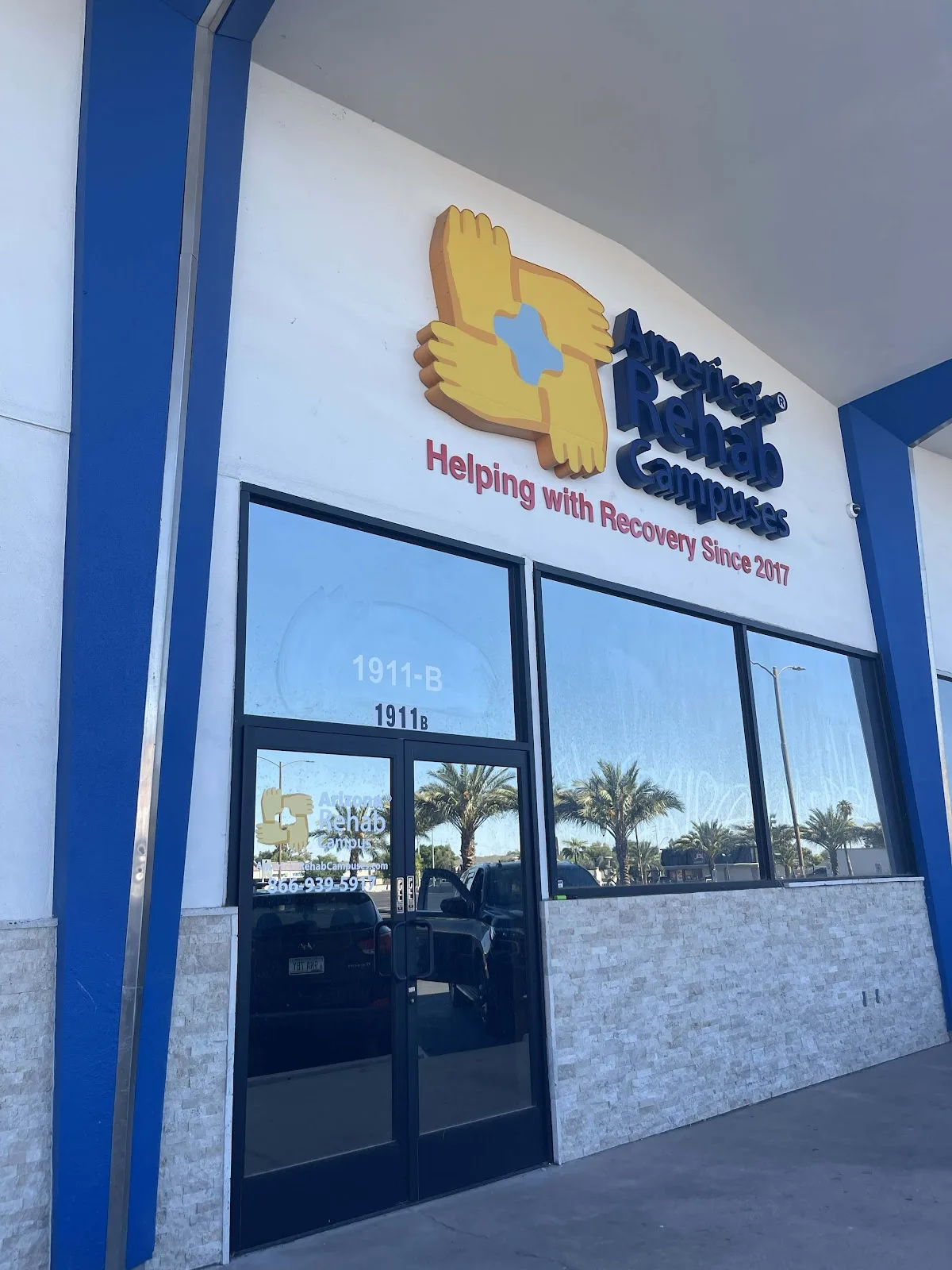
For individuals in recovery, understanding how to prevent relapse is essential to sustaining long-term sobriety. In Phoenix, Arizona, where the vibrant environment can present unique challenges, it’s crucial to develop effective strategies tailored to your surroundings and personal experiences. This guide explores key relapse prevention strategies, emphasizing empowerment and resilience.
재발의 단계 이해하기
Relapse is often a gradual process that unfolds in three stages: emotional, mental, and physical. Recognizing these stages can enable individuals in recovery to address issues before they escalate.
Emotional Relapse
During this stage, individuals may not be thinking about using substances, but their emotional state can lead them toward relapse. Signs include:
- Increased anxiety or stress
- Isolation from friends and family
- Neglecting self-care practices
Mental Relapse
Here, thoughts about using substances begin to surface. Individuals may experience:
- Romanticizing past substance use
- Planning to use again
- Feeling torn between sobriety and the desire to use
Physical Relapse
This is the final stage, where an individual actually returns to substance use. It’s crucial to recognize warning signs early to avoid reaching this stage.
Common Triggers in the Phoenix Environment
Phoenix presents distinct triggers that can challenge sobriety. Being aware of these can help individuals prepare and respond effectively:
- Social gatherings where substances are present
- High temperatures leading to increased stress and cravings
- Cultural events that may revolve around drinking or drug use
- Seasonal changes that affect mood and emotional stability
Creating a Personal Relapse Prevention Plan
A personalized relapse prevention plan is a vital tool for sustaining recovery. Here’s how to create one:
- 유발 요인 파악: List specific situations, emotions, or environments that trigger cravings.
- 대처 전략을 개발하세요: Outline steps to take when faced with triggers, such as deep breathing or calling a friend.
- 목표를 설정하세요: Define short-term and long-term goals to maintain focus on recovery.
- Review and Adjust: Regularly revisit and modify your plan as necessary.
The HALT Acronym
Another powerful tool in relapse prevention is the HALT acronym, which stands for Hunger, Anger, Loneliness, and Tiredness. Recognizing these basic needs can help individuals stay grounded:
- Hunger: Ensure you are nourishing your body properly. Poor nutrition can affect mood and cravings.
- Anger: Learn to express anger healthily. Journaling or talking to a trusted friend can help.
- Loneliness: Combat feelings of isolation by reaching out to your support network.
- Tiredness: Prioritize rest. Adequate sleep is essential for emotional resilience.
Building a Support Network
A strong support network is crucial for recovery. Here are ways to build one in Phoenix:
- Attend local support groups such as Alcoholics Anonymous (AA) or Narcotics Anonymous (NA).
- Engage with friends and family who support your sobriety.
- Connect with recovery coaches or therapists specializing in addiction.
Utilizing Phoenix Recovery Community Resources
Phoenix offers numerous resources for individuals in recovery. Some notable organizations include:
- Phoenix Recovery Center: Provides residential treatment and outpatient services.
- VALOR Recovery: Focuses on veteran-specific recovery resources.
- 지역 보건소: Often have programs that support addiction recovery.
What to Do If You Slip
Even with the best prevention plan, slips can happen. Here’s how to manage them:
- Acknowledge the slip without self-judgment.
- Reach out to your support network immediately.
- Reflect on what led to the slip and revise your prevention plan accordingly.
Coping with Cravings
Coping with cravings is a vital skill in recovery. Several strategies can be effective:
- Engage in physical activities, such as hiking or yoga, to distract the mind.
- Practice mindfulness and meditation to enhance self-awareness.
- Utilize breathing exercises to manage immediate sensations of craving.
Mindfulness and Stress Reduction Techniques
Incorporating mindfulness into daily routines can significantly reduce stress and cravings:
- Mindful Breathing: Take a few minutes each day to focus on your breath, allowing thoughts to pass without judgment.
- Grounding Techniques: Engage in activities that connect you to the present, such as walking barefoot on grass.
- Yoga and Meditation: Regular practice can enhance emotional stability and resilience.
By employing these relapse prevention strategies, individuals in recovery in Phoenix can cultivate a robust foundation for lasting sobriety. Embrace the journey with resilience and self-compassion, knowing that every step forward counts.
피닉스에서 더 많은 회복 지원 정보를 찾아보세요
Sober Network is a directory, not an intake form. Explore local facilities and contact providers directly.